
🧭 Inner Compass: Navigating Big Feelings

📄Writer’s Note:
Before we venture into the next topic, I’d like to take a moment to thank you for reading along for the past few weeks. I am grateful for this supportive community and I hope you are all thriving in your personal endeavors and parenthood.
Please feel free to comment and message your experiences, along with topics that you’d like to discuss in more detail.
The term “Big Feelings” is coined as an alternative to labeling emotions as good or bad. It’s an intentional phrase that removes heavy judgment from the emotions our children display.
Children often do not know how to translate their feelings into words. Processing big feelings is a skill that children need ample time to practice. During this process, patience can wear thin, leading to tantrums and frustration. That combined with impulses gives you a recipe for some GIGANTIC feelings! These moments happen quickly and as parents, we should take a second for ourselves to find stillness and focus on what’s needed.
We often see big feelings show up during playtime or disagreements.
Over the years, my children accumulated a mountain of toys. They have a corner in the living room dedicated to action figures, activity sets, and building blocks. Beneath the colorful piles, and broken pieces from a play set in 2024, there’s often a long-forgotten favorite.
Then it happens.
One child uncovers the “missing treasure.” Suddenly, the other child rushes over to claim the rediscovered toy. Demanding ownership of something neither of them remembered just seconds before.
And then the big feelings roll out:
“That’s mine!”
“It’s my turn!”
There’s shouting. Tugging. Maybe tears.
These feelings are big, but I wouldn’t call them bad. Children are still learning how the world works, and they need our guidance to navigate it
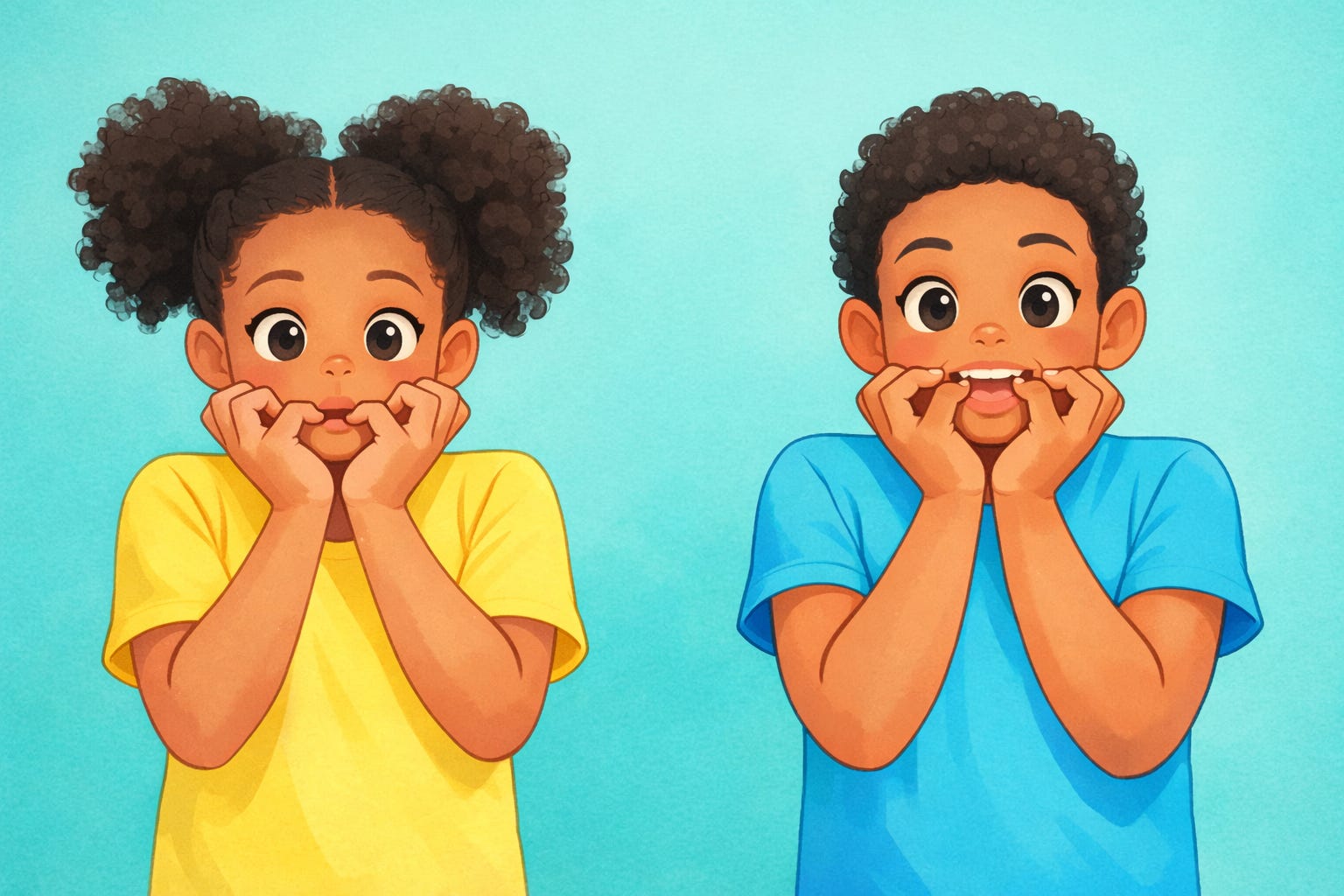
🌿Parenting Tips to Handle Big Feelings:
1. Emotional Coaching
Help your children notice what they’re feeling. Gently bring attention to the shift in mood and ask them to name the emotion. Once the feeling has a label, empathize with it. Then, guide them toward healthy ways to release or manage that big feeling.
For example, you might ask:
“I noticed your voice got louder. Are you feeling frustrated?”
“Did it feel unfair when your sister grabbed the toy?”
“Is your body feeling angry or just disappointed?”
“What could help your body calm down right now?”
“Would you like a hug, or do you need a minute?”
2. Narration
In a calm, warm tone, describe what you see your child is doing. Let them know they are seen and that their emotions matter. Narration creates space for your child to process internally and opens the door for conversation when they’re ready.
For example:
“You were playing so happily, and then the toy was taken. That surprised you.”
“I see you holding that toy really tight. You really want it.”
3. Intentional Play
Set aside 10 minutes of uninterrupted play with your child. No phone. No TV in the background. Follow their lead. Interact. Use your imagination.
This is an opportunity to model emotional regulation through play. To demonstrate how to share and take turns. Showing them how to handle disappointment without melting down. This strengthens intellectual development, and also helps your child feel connected and loved.
Spend More Time Outside
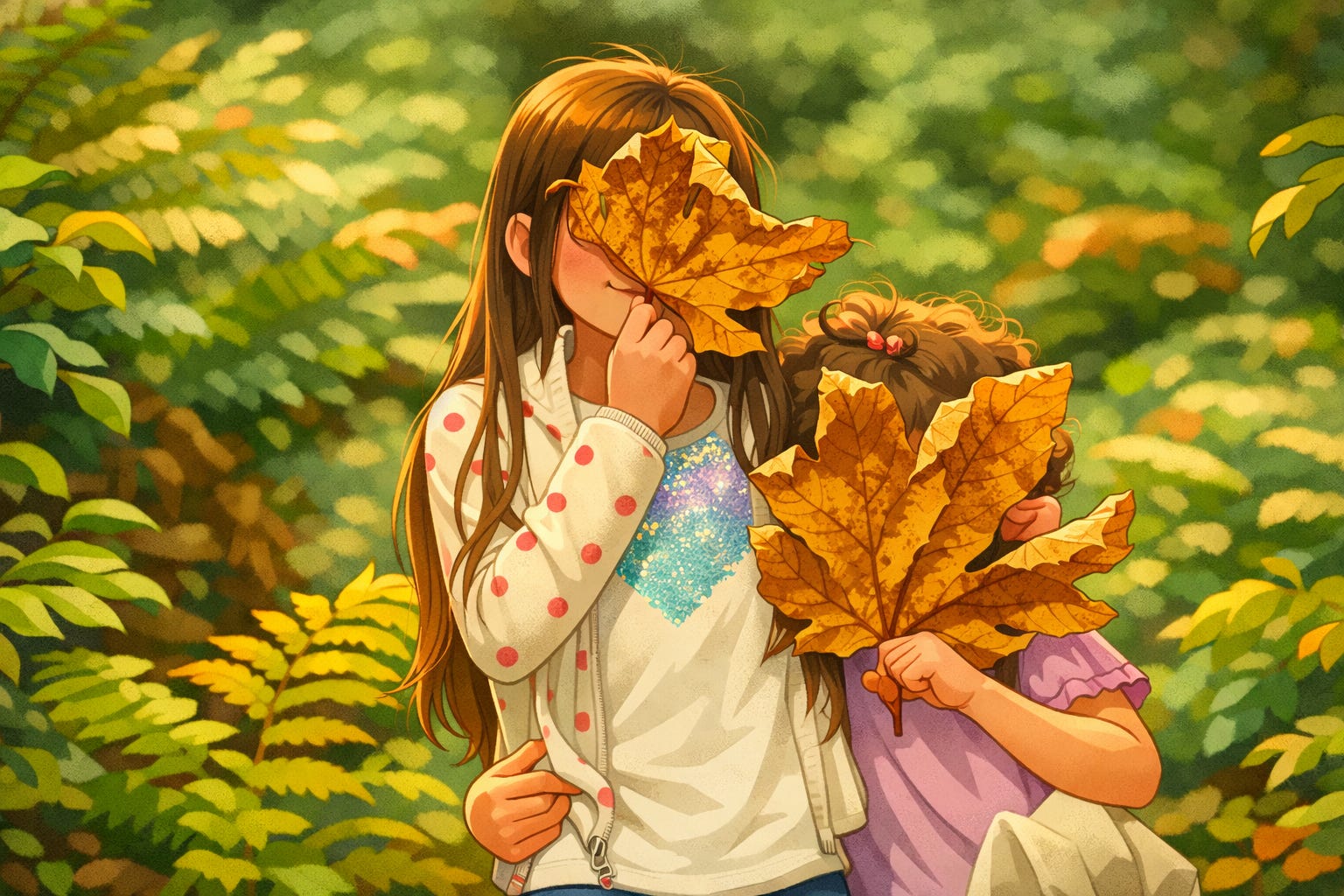
Spending time outdoors helps calm big feelings by engaging the senses; fresh air on the skin, leaves rustling in the wind, sunlight shifting through trees. These simple sensory experiences reduce stress and help reset overwhelmed nervous systems.
Simple outdoor activities to try:
Leaf Collect + Compare
Gather five different leaves. Sort by size, color, or texture. Just noticing.Pocket Pebble Walk
Pick one small stone and hold it while walking. Feel its shape and weight.Tiny World Spotting
Look for ants, bugs, or small plants. Move slowly and gently, as if you’re stepping into their world.Sunset Slow Down
Step outside for a few minutes before dinner. Notice how the sky changes color.
Stepping outside sparks wonder, boosts mood, eases fatigue, and creates space for clearer thinking and emotional balance.
5. Mirror Emotions Through Books
Emotional intelligence in childhood is becoming more widely discussed, and thankfully, more accessible. Many storybooks now center around identifying and labeling emotions. Reading books about feelings reinforces the emotional cues you’re teaching at home, without needing to say much at all.
Books can spark gentle conversations like:
“How do you think that character felt?”
“Have you ever felt that way?”
“What helped them calm down?”
Sometimes the lesson lands more deeply through a story than through correction.
And that’s the beauty of guiding big feelings, through intention, patience, and connection.
Try these tips and questions with your children and their “Big Feelings.”
🎯Family Game to Understand Big Feelings:
Spark connection through fun games.
Try “Feelings Charades” for a light-hearted way to identify and manage those big feelings.
What you need: Slips of paper, a bowl, markers.
How to Play:
Each person writes 2–3 big feelings (excited, frustrated, nervous, proud, jealous, calm) and adds them to the bowl.
Take turns drawing a feeling and acting it out (no words) or sketching it while others guess.
After it’s guessed, answer one quick question:
When do you feel this?
Where do you feel it in your body?
What helps when it feels big?
Why it works:
It builds emotional vocabulary, normalizes all feelings, and keeps conversations playful while practicing healthy coping tools together.
💛 What We Carry Forward:
Moments with big feelings are opportunities to slow down and respond with intention.
The arguments over toys, the raised voices, and the sudden tears are not signs that something is wrong. They show that a child is still learning how to understand and manage emotion.
When we focus on guiding instead of correcting, we help our children develop awareness and confidence in themselves.
With patience and simple tools like play, time outside, and meaningful conversation, children begin to see that emotions are not bad. They are experiences that can be understood and worked through.
As a reminder: Big feelings are not storms to escape, rather they are weather to walk through together.

Really well laid out, practical steps. I'm definitely going to give the Feelings Charades game a try.
I love the Feelings Charades game. I'm going to try it with some of my students.